

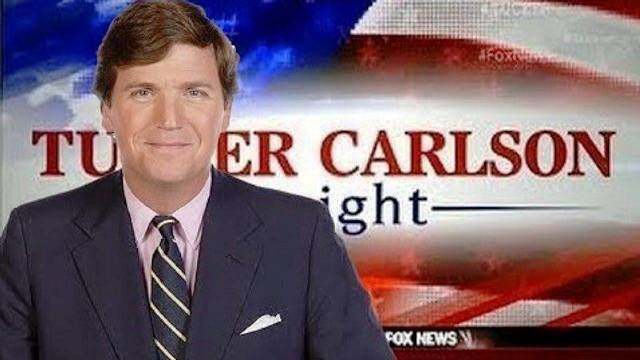
The recent departure of Tucker Carlson from Fox News and the firing of Don Lemon from CNN are two events that have shaken the world of American media.
Carlson was one of Fox News’ leading anchors for years and gained great popularity among viewers, particularly those close to the conservative movement and Donald Trump. However, his support for the conspiracy theory about the 2020 elections and accusations of being a “cheerleader” for Vladimir Putin have sparked much criticism and controversy.
Furthermore, his position was called into question when Fox News had to reach a $787.5 million settlement with Dominion Voting Systems following the defamation lawsuit filed by the company that manages voting systems. The settlement was also reached to avoid a trial that would have involved Carlson and other network members.
For his part, Don Lemon was one of the most well-known faces of CNN and a symbol of diversity in American television, being African American and openly gay. However, his offensive comments and misogynistic attitude towards colleagues led to his sudden departure from the network.
These two events show how American media are increasingly under pressure to ensure their credibility and the objectivity of their content. Journalists must balance freedom of expression with the accuracy of the information they disseminate, and broadcasters must find a balance between loyalty to their values and the need to maintain their reputation.
Moreover, these episodes demonstrate how the media are becoming increasingly politicized and polarized, with many journalists and commentators openly embracing an ideological viewpoint and willing to defend it even at the cost of discrediting institutions and individuals involved. This risks undermining the public’s trust in the media and fueling the climate of division and conflict that characterizes American politics in recent years.
In conclusion, Carlson’s departure and Lemon’s firing represent further evidence of the challenges and responsibilities that the media must face in contemporary society. Their ability to respond to these challenges will be crucial in ensuring the role of the media as a pillar of democracy and freedom of information.